
SQT Biomicroneedling vs GENOSYS Bio-Meso™ PDRN: Which Spicule Treatment Actually Delivers?

If you’ve been researching spicule treatments, you’ve probably come across both of these names. SQT Biomicroneedling and GENOSYS Bio-Meso™ PDRN are two of the most talked-about systems in professional treatment rooms right now — and on the surface, they look remarkably similar. Both use spongilla spicules from freshwater sponges. Both promise to push active ingredients deeper into the skin than anything you’d get from a serum or moisturiser. Both position themselves as a serious step up from conventional facials.
So what’s actually different? Quite a lot, as it turns out — and some of it really matters.
This piece goes beyond the marketing copy and looks at what’s genuinely happening with each treatment: how many spicules are actually in the formula, how deep they go, what ingredients they’re carrying, and whether those ingredients can do what the brand claims at that depth. Whether you’re a practitioner building a treatment menu or someone trying to make sense of your options as a client, here’s what you need to know.
What Is Biomicroneedling? The Science Behind Spicule Technology
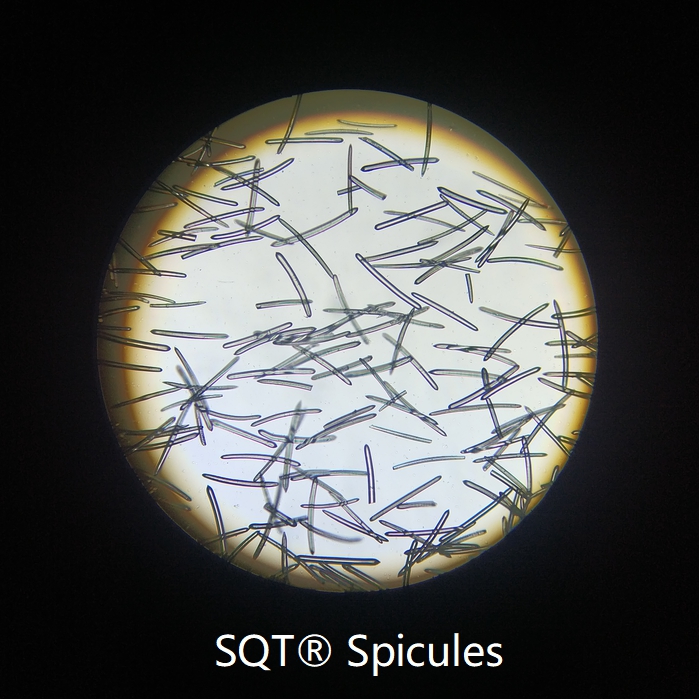
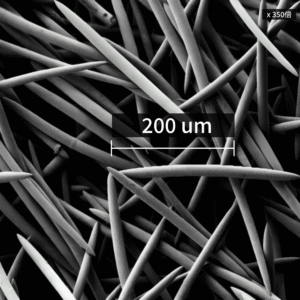
It’s worth starting at the beginning, because the underlying technology is genuinely clever — and understanding it makes the comparison between these two systems much easier to follow.
Unlike traditional microneedling, which uses metal needles to puncture the skin and trigger a wound response, biomicroneedling works with naturally occurring silica microneedles harvested from the freshwater sponge Spongilla lacustris (SQT Biomicroneedling, 2024c). These are tiny, hollow, needle-shaped crystals — typically 200–350 µm long — that occur in nature and are processed into a fine powder for cosmetic use. When you massage them into the skin, they penetrate the outermost layer (the stratum corneum) and create micro-channels that allow active ingredients to pass through. No metal, no dermal pen, no real downtime.
Why does this matter? Because your skin’s outermost barrier — the stratum corneum — is extraordinarily good at keeping things out. It’s designed that way. Most topical skincare ingredients barely get through it; standard moisturisers achieve somewhere around 0.03–1% absorption through intact skin (Bos and Meinardi, 2000; Elias, 2005). Spicule treatments change that equation dramatically. A single SQT treatment creates up to 3 million micro-channels in roughly five minutes, pushing absorption rates for actives up to 75–85% (SQT Biomicroneedling, 2024c). That’s not a small improvement — it’s a completely different category of delivery.
On top of the delivery effect, the spicules themselves trigger a mild, controlled inflammatory response as they work through the skin. That response kicks off the body’s natural repair process: collagen and elastin production ramps up, cell turnover accelerates, and the skin essentially starts renewing itself (Gurtner et al., 2008). All of this happens without needles in the traditional sense, and without the recovery time you’d associate with clinical needling.
Both SQT and GENOSYS are built on this same platform. Where they diverge is in how they’ve built on top of it.
SQT Biomicroneedling — Overview & Key Claims

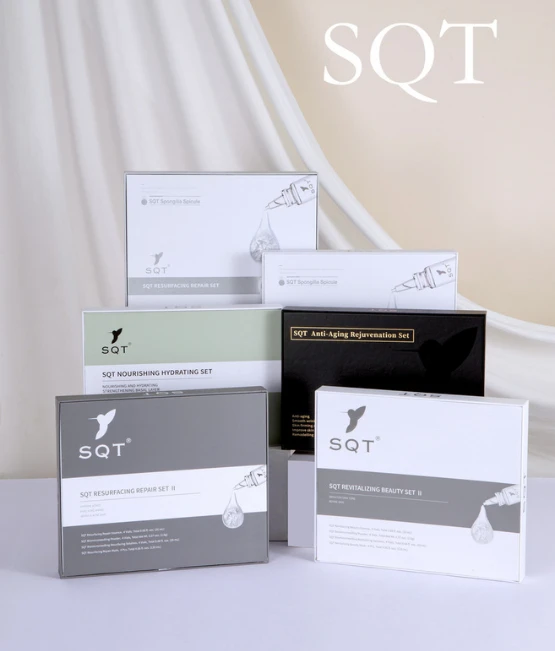
SQT isn’t a single product — it’s a professional system built around five distinct treatment protocols, each pairing high-purity spongilla spicules with a formulation specifically designed for a different skin concern (SQT Biomicroneedling, 2024c). The philosophy here is that acne skin and pigmented skin need fundamentally different things, and treating them with the same formula is always going to be a compromise.
The Five SQT Protocols
1. Anti-Ageing
This protocol targets loss of firmness and luminosity in ageing skin. The active complex includes peptides, hydration-boosting ingredients, and collagen-supporting botanicals — all chosen to rebuild skin structure from within rather than just sit on the surface.
2. Revitalising (for Brightening & Pigmentation)
Designed for hyperpigmentation, uneven tone, and dullness, this is one of the more scientifically sophisticated formulations in the range. It attacks melanin production at multiple points in the pathway simultaneously — rather than targeting just one mechanism and hoping for the best. Key ingredients include Nonapeptide-1 (a direct melanin inhibitor), Niacinamide (which blocks the transfer of melanin from melanocytes to keratinocytes) (Hakozaki et al., 2002), and Tranexamic Acid, which works through the plasminogen pathway to further reduce pigmentation (Tse and Hui, 2013). Saussurea Involucrata Extract contributes 42% tyrosinase inhibition — notably stronger than arbutin or kojic acid at comparable concentrations (Chang, 2009; SQT Biomicroneedling, 2024a). Acetyl Glucosamine, Punica Granatum Fruit Extract, Carnosine, Fibronectin, Panthenol, and Olive Extract round out the complex.
This protocol also contains Rice PDRN — used here appropriately as a topical DNA-repair ingredient at the epidermal level, not as a claim to injectable-level regeneration (SQT Biomicroneedling, 2024a).
3. Resurfacing (for Acne & Oily Skin)
Oily and acne-prone skin has a specific and well-understood biology: excess sebum, Cutibacterium acnes colonisation, follicular congestion, and a compromised barrier that keeps cycling the problem. This protocol addresses all of it. Saccharomyces/Zinc Ferment regulates sebum and supports the barrier; Quaternium-73/Pionin disrupts C. acnescell walls directly (Zaenglein et al., 2016; SQT Biomicroneedling, 2024b); Willow Bark Extract provides keratolytic and antibacterial action; and a botanical complex including Houttuynia Cordata, Phellodendron Amurense, and Sophora Flavescens covers antimicrobial, anti-inflammatory, and anti-allergy ground. Papain and Witch Hazel handle enzymatic exfoliation and oil control, while Fibronectin, Beta-Glucan, Carboxymethyl Chitosan, and Ectoin work together on barrier repair.
It’s worth noting that this protocol uses SQT’s upgraded spicule formulation — purified to 99% spongilla spicule content, up from the 70% that’s become the industry standard (SQT Biomicroneedling, 2024b). More functional spicules per gram means more micro-channels, and more consistent results.
4. Nourishing and Hydrating (for Sensitive / Redness prone skin)
For reactive and compromised skin, this protocol prioritises barrier restoration, anti-inflammatory botanicals, and microbiome-supportive ingredients. It’s the protocol you’d reach for with clients whose skin has been over-treated, sensitised, or is in a reactive phase.
5. Body
The body protocol is adapted for larger surface areas and uses up to 7,000,000 spicules per treatment — compared to 3,000,000 for facial protocols (SQT Biomicroneedling, 2024c). Body skin is thicker and more resilient, and the higher spicule count reflects that. This protocol addresses stretch marks, uneven texture, and body skin concerns that don’t respond well to conventional topical products.
The 5-in-1 Advantage
What makes SQT commercially interesting — and clinically useful — is that every protocol delivers five things at once in a single treatment:
- Delivers actives directly into the viable epidermis via micro-channels
- Treats the primary skin concern with a targeted botanical complex
- Rebuilds the skin barrier through barrier-supporting ingredients built into every formulation
- Stimulates collagen production through the spicule-induced repair response
- Increases cell turnover through the combined mechanical and biochemical stimulus
For clinics, that’s a compelling proposition. What used to require multiple products, multiple steps, and often prescription-strength actives can now happen in a single professional session (SQT Biomicroneedling, 2024c).
GENOSYS Bio-Meso™ PDRN — Overview & Key Claims
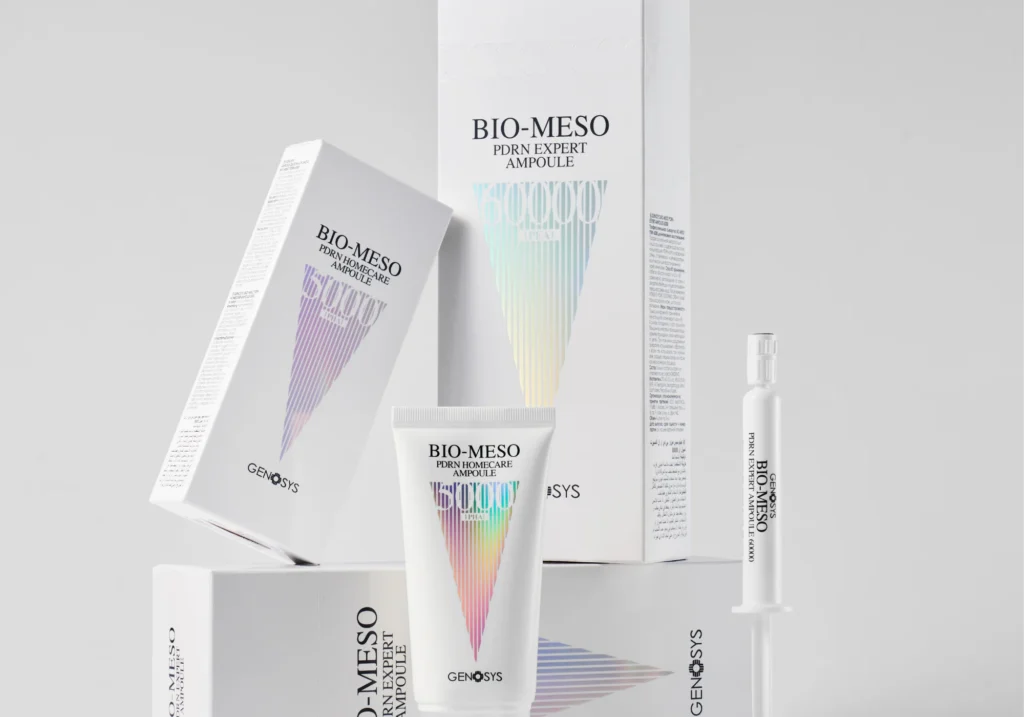
GENOSYS Bio-Meso™ PDRN is a Korean brand with real recognition in the professional beauty space, and its spicule treatment has found its way into a reasonable number of clinics and salons. The product is built around PDRN — Polydeoxyribonucleotide — a DNA-fragment ingredient that has, in its injectable form, a well-documented track record in skin regeneration (Squadrito et al., 2017).
The treatment is a single formula. Its core claims are:
- Spicule-assisted delivery of PDRN for skin regeneration
- Collagen stimulation via PDRN’s interaction with skin tissue
- Barrier support from ceramide-related ingredients
- A spicule count that, in various online materials, is quoted somewhere between 60,000 and 1,000,000 per treatment — though this figure does not appear in official product documentation and hasn’t been independently verified
The spicule mechanism itself is legitimate — creating micro-channels works, and GENOSYS’s platform does that. But the central question with this product isn’t whether spicules work. It’s whether PDRN, delivered via spicules, can actually do what the brand implies it does.
Head-to-Head Comparison
| Feature | SQT Biomicroneedling | GENOSYS Bio-Meso™ PDRN |
|---|---|---|
| Core technology | Spongilla spicule + skin concern-targeted natural active complexes (5 protocols) | Spongilla spicule + PDRN (single formula) |
| Spicule purity | 99% (upgraded from 70%) | Not disclosed |
| Spicule count (face) | 3,000,000 per treatment | 60,000–1,000,000 (unverified, online claims only) |
| Spicule count (body) | Up to 7,000,000 | Not applicable |
| Active ingredient depth | Epidermis via micro-channels ✓ | Epidermis via micro-channels ✓ |
| PDRN use | Rice PDRN (topical DNA repair, Brightening protocol) | Salmon PDRN (injection-derived claims applied topically) |
| Collagen stimulation | Via spicule-induced repair response + targeted actives ✓ | Via spicule response only — PDRN-based fibroblast activation claims unverified at spicule depth |
| Barrier support | Integrated in all 5 protocols ✓ | Present in formulation ✓ |
| Treatment specificity | 5 targeted protocols by skin concern | 1 universal formula |
| Regulatory compliance | EU-compliant, botanical actives | To be evaluated per market |
| Sessions for visible results | 1–3 (equivalent to multiple conventional treatments) | 3–5 typical |
| Retinol-free | Yes — achieves cell turnover without retinol ✓ | Yes ✓ |
Where SQT Pulls Ahead — 5 Key Differentiators
1. The PDRN Delivery Problem
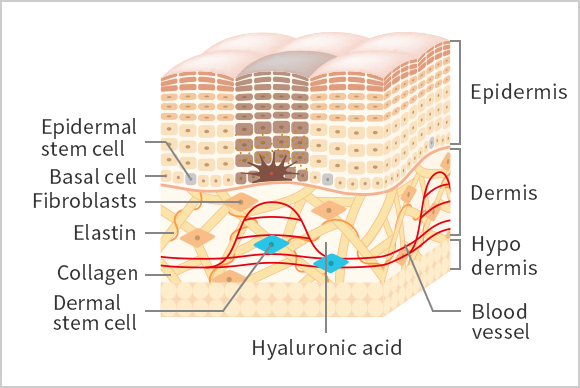
This is the most important point in this entire comparison, and it’s worth taking a moment with it.
PDRN has genuine science behind it. When it’s injected directly into the dermis, it activates adenosine A2A receptors, stimulates fibroblast activity, and drives real collagen synthesis and tissue regeneration — that’s well-documented (Squadrito et al., 2017). Injectable PDRN treatments work because the ingredient reaches the dermis, where fibroblasts actually live and where collagen is actually produced.
Spicules don’t go that deep. They penetrate the stratum corneum and reach the epidermis — that’s their value, and it’s considerable. But they don’t reach the dermis (SQT Biomicroneedling, 2024c). Which means PDRN delivered via spicules never comes into contact with dermal fibroblasts. The mechanism that makes injectable PDRN effective simply doesn’t apply here.
GENOSYS’s name, its marketing, and its premium positioning are all built around PDRN. But the delivery pathway it uses to administer that PDRN can’t get it to where it would need to go to do what the brand implies it does. That’s a meaningful gap between the claim and the reality.
SQT’s Brightening & Pigmentation protocol does include Rice PDRN — but it’s used honestly, as a topical DNA-repair ingredient working at the epidermal level where it can act (SQT Biomicroneedling, 2024a). There’s no suggestion it’s replicating injection-level outcomes.
2. The Spicule Density Gap
At its most basic, spicule treatment efficacy comes down to numbers. More spicules means more micro-channels, which means more consistent penetration of actives across the treatment area and more uniform results (Barry, 2001). This is where the gap between the two systems becomes quite striking.
SQT delivers 3,000,000 spicules in a single facial treatment (SQT Biomicroneedling, 2024c). GENOSYS doesn’t publish an official spicule count — the figures circulating online (60,000 to 1,000,000) are unverified and come from third-party sources, not the brand itself. Even taking the higher end of that range, SQT’s density advantage is substantial. Factor in that SQT’s spicules are purified to 99% (versus the 70% typical of most spicule products) (SQT Biomicroneedling, 2024b) — meaning there’s very little in the formula that isn’t a functional microneedle — and the gap becomes even more pronounced.
For a practitioner, that matters. You’re not just paying for a pleasant treatment experience; you’re paying for skin transformation. Spicule density is one of the most direct levers on whether that transformation actually happens.
3. Five Targeted Protocols vs One Universal Formula
Here’s a question worth sitting with: if you had a client with acne-prone skin and another with hyperpigmentation, would you treat them with the same product? Probably not — and for good reason. These are different biological problems. Hyperpigmentation is driven by tyrosinase activation, UV-induced oxidative stress, and excess melanin transfer (Chang, 2009). Acne involves C. acnes colonisation, dysregulated sebum production, and follicular congestion (Zaenglein et al., 2016). The ingredients that tackle one don’t necessarily address the other.
GENOSYS offers a single formula for every skin concern. SQT offers five distinct protocols, each built around the specific biology of the concern it’s treating. The Brightening & Pigmentation protocol targets melanin at multiple points in the synthesis and transfer pathway simultaneously (Hakozaki et al., 2002; Tse and Hui, 2013; Chang, 2009). The Acne & Oily Skin protocol disrupts bacterial activity, normalises sebum, and clears follicular congestion through a complementary set of botanical actives (Zaenglein et al., 2016).
There’s a real difference between a targeted therapeutic tool and a one-size-fits-all formula. For clinics that take their outcomes seriously, that difference matters.
4. Retinol-Independent Cell Turnover
From November 2025, Commission Regulation (EU) 2024/996 caps retinol at 0.3% in facial products and just 0.05% in body products (European Commission, 2024). For professional skincare brands whose entire cell-renewal story is built around high-concentration retinoids, that’s a significant challenge to navigate.
SQT doesn’t have that problem. Cell turnover in SQT treatments is driven by the physical stimulus of the spicules themselves combined with the biochemical activity of the botanical actives — no retinol involved (SQT Biomicroneedling, 2024c). The skin’s own renewal process is being activated, rather than chemically overridden, which is consistent with how the body’s natural repair cascade works anyway (Gurtner et al., 2008). It’s a more elegant mechanism, and one that happens to be completely unaffected by retinol regulation.
For clinics thinking beyond the next few months, that’s a genuine competitive advantage.
5. Multi-Action Results in 1–4 Sessions
Because every SQT treatment delivers actives, treats the concern, rebuilds the barrier, stimulates collagen, and increases cell turnover all at once, clients don’t need to come back as often to see meaningful improvement (SQT Biomicroneedling, 2024c). Most see visible change in 1–4 sessions. Single-mechanism treatments typically require 6.
For clinic operators, that’s not just a better client experience — it’s a clearer commercial story, a stronger return on the consultation investment, and better testimonials to work with.
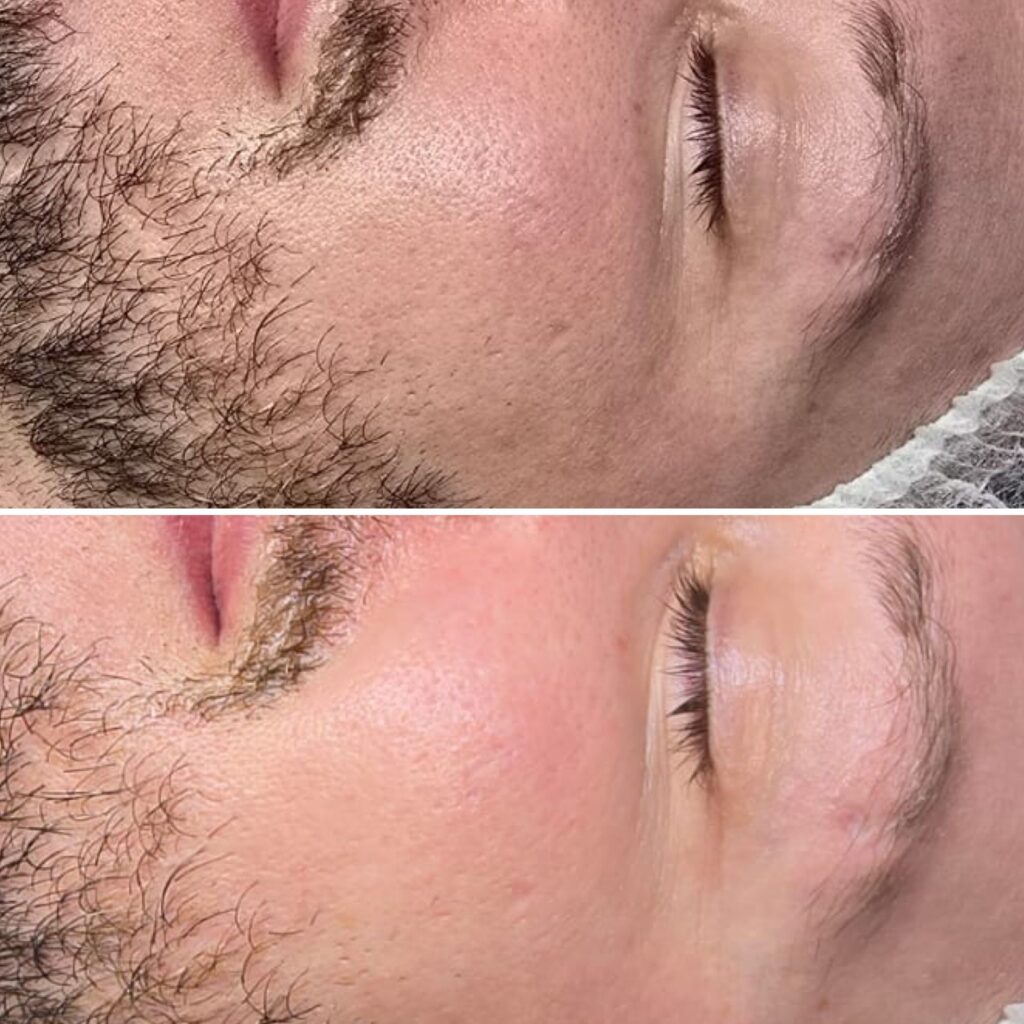
Results after 1 SQT Biomicroneedling treatment.
What GENOSYS Gets Right (And Where It Falls Short)
It wouldn’t be a fair comparison if we didn’t acknowledge what GENOSYS actually does well.
The spicule delivery platform works. Micro-channelling via spongilla spicules is a legitimate, evidence-backed approach to transdermal delivery (Barry, 2001; Elias, 2005), and GENOSYS executes that part of the treatment competently. For clients coming from conventional facials, the improvement will likely be genuine and noticeable.
The brand also has real credibility in the Korean beauty market and in regions where K-beauty carries significant weight. That’s not nothing — brand recognition influences client trust, and client trust affects outcomes.
But the fundamental problem with GENOSYS is structural. When a product is named after, and marketed around, an ingredient that can’t reach the tissue layer it would need to reach in order to do what’s being implied — that’s a positioning problem that no amount of good execution elsewhere can fully resolve (Squadrito et al., 2017). Practitioners who recommend GENOSYS on the strength of its PDRN claims are, without necessarily meaning to, passing those unverified claims on to their clients.
The lack of transparency around spicule count adds another layer of concern. In a category where spicule density is directly linked to treatment quality, not publishing that figure makes it impossible for a practitioner to make a genuinely informed comparison. That’s worth factoring into any purchasing decision.
Which Treatment Is Right for You?
Choose SQT Biomicroneedling if:
- You want treatment targeted to a specific concern — pigmentation, acne, ageing, sensitivity, or body
- Fewer sessions to visible results matters to you or your client
- Ingredient transparency and scientific credibility are important to how you work
- You’re building a professional clinic menu that needs versatility and depth
- You want a retinol-free cell renewal approach that’s already EU-compliant
GENOSYS Bio-Meso™ PDRN may suit you if:
- You’re looking for a single, straightforward spicule treatment with strong Korean beauty brand recognition
- Your clients respond to PDRN as a familiar, credible-sounding ingredient
- Concern-specific outcomes and maximum spicule density aren’t your primary criteria
For most practitioners and informed clients, the case for SQT is clear. More spicules. Higher purity. Five targeted formulations. And delivery claims that actually hold up when you look at the biology.
Frequently Asked Questions
Is biomicroneedling the same as microneedling?
Not really. Traditional microneedling uses metal needles to puncture into the dermis and trigger a wound-healing response. Biomicroneedling uses natural silica spicules from freshwater sponges to create micro-channels in the upper layers of the skin — no metal devices, no significant downtime, and no cross-contamination risk (SQT Biomicroneedling, 2024c). The end goal is similar, but the mechanism and experience are quite different.
Does PDRN work when applied topically via spicules?
It depends entirely on what you’re asking it to do. PDRN’s well-documented effects — fibroblast activation, collagen synthesis, tissue regeneration — happen via adenosine A2A receptor activation in the dermis (Squadrito et al., 2017). Spicules only reach the epidermis, so they can’t get PDRN to where those mechanisms operate. At the epidermal level, PDRN may offer some DNA-repair activity (as in SQT’s Brightening protocol), but that’s a different claim entirely from what injectable PDRN does.
How many sessions of SQT are needed to see results?
Most clients see a visible difference within 1–4 sessions, though this varies depending on the concern and the starting condition of the skin (SQT Biomicroneedling, 2024c). The 5-in-1 mechanism means each session is doing a lot of work simultaneously, which is part of why the results come through more quickly than with single-mechanism treatments.
Is SQT Biomicroneedling safe for sensitive skin?
Yes — there’s a dedicated Sensitive/Calming protocol specifically formulated for reactive and compromised skin. The micro-channels created by the spicules close within a few hours, and the barrier-supporting actives in the formulation help the skin recover and strengthen rather than staying irritated (Gurtner et al., 2008).
What’s the difference between the SQT Acne & Oily Skin and Brightening & Pigmentation protocols?
They’re built around completely different biological targets. The Acne & Oily Skin protocol addresses C. acnescolonisation, excess sebum, and follicular congestion through a botanical complex designed for that specific environment (Zaenglein et al., 2016; SQT Biomicroneedling, 2024b). The Brightening & Pigmentation protocol works across multiple stages of the melanin production and transfer pathway, using ingredients like Nonapeptide-1, Tranexamic Acid, Niacinamide, and Saussurea Involucrata to tackle hyperpigmentation from several angles at once (Hakozaki et al., 2002; Tse and Hui, 2013; Chang, 2009; SQT Biomicroneedling, 2024a).
Can SQT replace retinol?
In a professional treatment context, yes. SQT drives cell turnover through the physical and biochemical stimulus of the spicule treatment itself, without needing to rely on retinoids (SQT Biomicroneedling, 2024c). Given that EU retinol regulations tighten significantly from November 2025 (European Commission, 2024), this is increasingly relevant for clinics thinking about their longer-term product strategy.
How does SQT’s spicule count compare to GENOSYS?
SQT delivers 3,000,000 spicules per facial treatment — up to 7,000,000 for the body protocol — at 99% purity (SQT Biomicroneedling, 2024c). GENOSYS doesn’t publish an official spicule count; unverified online sources suggest between 60,000 and 1,000,000. More spicules means more micro-channels, more consistent active delivery, and more reliable results across the treatment area (Barry, 2001).
Final Verdict
Both systems are built on the same foundation — spongilla spicule micro-channelling — and that foundation genuinely works (Elias, 2005). But once you look beyond the shared platform, these are very different products making very different bets.
SQT’s bet is on specificity: five carefully formulated protocols, each matched to the biology of a particular skin concern, delivered via a high-purity, high-density spicule system. GENOSYS’s bet is on a single hero ingredient — PDRN — that has genuine clinical merit in injectable form but faces a fundamental delivery problem when applied via spicules (Squadrito et al., 2017).
One of these bets holds up to scrutiny. The other doesn’t quite — and that’s the crux of the comparison.
For practitioners who want to offer treatments they can stand behind scientifically, and clients who want to know what they’re actually paying for, SQT is the clearer choice. More spicules, higher purity, five targeted formulations, and no ingredient claims that evaporate when you check the biology (SQT Biomicroneedling, 2024a, 2024b, 2024c).
Explore SQT Treatments at Phoenix Biomedical → HERE
Book a Professional SQT Consultation → Phoenix Biomedical Consultation
Explore the SQT Protocol Range → SQT Ireland Official Website
Bibliography
Barry, B.W. (2001) ‘Novel mechanisms and devices to enable successful transdermal drug delivery’, European Journal of Pharmaceutical Sciences, 14(2), pp. 101–114. https://doi.org/10.1016/S0928-0987(01)00167-1
Bos, J.D. and Meinardi, M.M.H.M. (2000) ‘The 500 Dalton rule for the skin penetration of chemical compounds and drugs’, Experimental Dermatology, 9(3), pp. 165–169. https://doi.org/10.1034/j.1600-0625.2000.009003165.x
Chang, T.S. (2009) ‘An updated review of tyrosinase inhibitors’, International Journal of Molecular Sciences, 10(6), pp. 2440–2475. https://doi.org/10.3390/ijms10062440
Elias, P.M. (2005) ‘Stratum corneum defensive functions: an integrated view’, Journal of Investigative Dermatology, 125(2), pp. 183–200. https://doi.org/10.1111/j.0022-202X.2005.23668.x
European Commission (2024) Commission Regulation (EU) 2024/996 of 3 April 2024 amending Annex III to Regulation (EC) No 1223/2009 of the European Parliament and of the Council as regards retinol (vitamin A) and retinyl esters in cosmetic products. Official Journal of the European Union, L 1995, 4 April 2024.
Gurtner, G.C., Werner, S., Barrandon, Y. and Longaker, M.T. (2008) ‘Wound repair and regeneration’, Nature, 453(7193), pp. 314–321. https://doi.org/10.1038/nature07039
Hakozaki, T., Minwalla, L., Zhuang, J., Chhoa, M., Matsubara, A., Miyamoto, K., Greatens, A., Hillebrand, G.G., Bissett, D.L. and Boissy, R.E. (2002) ‘The effect of niacinamide on reducing cutaneous pigmentation and suppression of melanosome transfer’, British Journal of Dermatology, 147(1), pp. 20–31. https://doi.org/10.1046/j.1365-2133.2002.04834.x
Squadrito, F., Bitto, A., Irrera, N., Pizzino, G., Pallio, G., Minutoli, L. and Altavilla, D. (2017) ‘Pharmacological activity and clinical use of PDRN’, Frontiers in Pharmacology, 8, p. 224. https://doi.org/10.3389/fphar.2017.00224
SQT Biomicroneedling (2024a) SQT Revitalizing Beauty Set II: Introduction. Internal product documentation. SQT Biomicroneedling.
SQT Biomicroneedling (2024b) SQT Resurfacing Repair Set II: Introduction. Internal product documentation. SQT Biomicroneedling.
SQT Biomicroneedling (2024c) SQT Spicule Serum Presentation v2. Internal product documentation. SQT Biomicroneedling.
Tse, T.W. and Hui, E. (2013) ‘Tranexamic acid: an important adjuvant in the treatment of melasma’, Journal of Cosmetic Dermatology, 12(1), pp. 57–66. https://doi.org/10.1111/jocd.12026
Zaenglein, A.L., Pathy, A.L., Schlosser, B.J., Alikhan, A., Baldwin, H.E., Berson, D.S., Bowe, W.P., Graber, E.M., Harper, J.C., Kang, S., Keri, J.E., Leyden, J.J., Reynolds, R.V., Silverberg, N.B., Stein Gold, L.F., Tollefson, M.M., Weiss, J.S., Dolan, N.C., Sagan, A.A., Stern, M., Boyer, K.M. and Bhushan, R. (2016) ‘Guidelines of care for the management of acne vulgaris’, Journal of the American Academy of Dermatology, 74(5), pp. 945–973. https://doi.org/10.1016/j.jaad.2015.12.037
© Phoenix Biomedical
The above article pinning SQT against Genosys Bio Meso.
I can say the information above is false and biased.
This is misleading to consumers as you give the clinical data on SQT but havn’t held up to do a non biased report on Genosys in order to keep the articles balanced and fair.
Bioneedling is a new trend with many brands coming on board, there is no need to discredit another to make your own sound more impressive without doing the correct research.
Hi Shannon. Thank you for your comment. We welcome debate — good science should hold up to scrutiny.
A few points worth addressing:
On bias: This article was written by a clinic that offers SQT treatments, and that context is transparent. However, the scientific arguments are not opinion — they are referenced against peer-reviewed literature, including Squadrito et al. (2017) on PDRN pharmacology and Elias (2005) on transdermal penetration. We’d welcome a counter-argument that engages with those references specifically, rather than a general claim of bias.
On the PDRN argument: Spongilla spicules penetrate to the epidermis. PDRN’s documented regenerative mechanism — adenosine A2A receptor activation driving fibroblast activity — operates in the dermis. These are not the same tissue layer. If GENOSYS Bio-Meso™ has published data showing spicule-delivered PDRN reaches dermal fibroblasts and produces measurable collagen regeneration comparable to injectable PDRN, we would genuinely like to see it.
On balance: The article includes a section specifically acknowledging what GENOSYS does well — including that the spicule delivery platform itself works and that the brand has real market credibility. The critique is specific and evidence-based, not a blanket dismissal.
On spicule count: GENOSYS does not publicly disclose its spicule count. Publishing that figure would address that point entirely.
We agree this is a fast-growing field. Holding all brands — including the ones we use — to a higher standard of evidence benefits clients and practitioners alike.